Rajguru Parampara in Shree Jagannath Temple and Jayee Rajguru
ARTICLE
Dr. Bhaskar Mishra
9/13/20227 min read
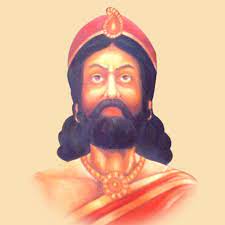
When a king dies he sits on the throne for a moment until the successor is solemnized to occupy the throne. Therefore Rajaguru was known as "Raja for a moment". Whenever Rajaguru was to visit the temple, he used a palanquin which is carried through the nonhem gate and brought up to the Laxmi Temple accompanied with the schak niyogas with the golden umbrella on the top. He used to have the Darshan of Man Vimala. Laxmi and other Deities of the temple and then proceed for the seva of Lond Jagannath with white whisk (chamara with golden handle) and then proceeded to Muktimandap with golden cane in his hand which is the mark of prestige. Whenever Rajaguru's wife was coming to the temple she was also enjoying the same paraphe malia that Rajaguru was entitled. Rajagunus used to preside as Acharya in the festival connected with basantika Nabaptrika, Vimala Saradiya Puja and in so many occasions. (Torch Bearers of Vedic Tradition, p-26). In 1779. Narsingh Rajguru, the commander-in-chief was seriously injured in Badambagarh war and died. After his death his eldest son Chandrasekhar Mohapatra of Bira Narasinghpur was appointed as Rajagunu of the great temple and second son was appointed as Pattajoshi but they did not show interest to manage the affairs (Chakradhar Mohapatra, p 255). Dr. Nityananda Patnaik mentions in his book "TORCH BEARERS OF VEDIC TRADITION OF ODISHA"(p-30) that "during Dibyasingh's time (1793 1798) Rajaguru Chandra- sekhar Mohapatra continued as Prime Minister for some time but he left the post as he did not like to comply the orders of Dibyasinghdev to stay at Ghati garh fort, the newly built kingdom by the king. Chandrasekhar Mohapatra who was appointed as the Rajaguru of the great Jagannath temple Puri had no zeal to work within this crises period nor he was staying at Pari to look to the day to day affairs of the temple, rather Chandrasekhar was remaining at his village at Narasingha Pur very often despite of royal orders and warnings. On receiving vehement complains from the concemed senior members of Mukti-mandap and calling upon explanation from Chandrasekher no improve- ment was observed. Being vexatious the king invested the power of Temple Administration on Jayee Rajguru in addition to his own duties as the chief of the Amy As Chandra Sekhar Rajaguru left his seva, Jayce Rajguru discharged the duties of Chandrasekhar Rajaguru in the temple of Lord Shri Jagannatha Jayakrushna Rajaguru Mohapatra was popularly known as Jayce Rajaguru, was the first martyr of Odisha and the last Prime Minister of the independent State of Khurdha. He was born on the 24th day of Odia month, Kartika in the year 1739 in the village Birahare krushnapur, which is situated about 5 Kms from Puri Town. He belonged to the hereditary Rajaguru family of Gajapati Khurdha. He completed his early education in his native village and for further higher studies he went to Puri Town and completed his education in Emaramath, Mangumatha and in Gobarddhan Peetha. He became a great pandita and an expert in Veda, Vedanta, Dharmashastra, Kamu-kanda etc in Sanskrit language. While staying in Puri he used to attend Jaga and Akheda. made himself as a muscle man. After completion of his study he taught the students studied in Sanskrit tolls in Gangamata Matha. As his father and grandfather were associated with the royal family and hold the post of Rajaguru, Jayakrushna became very close to the Gajapati of Khurdha and able to prove his talent in intellectual competitions/ discussion (Pandit Sabha) in the court of the king. Gajaputi Birakishore-deva was mad and killed his four sons. He was arrested and confined in Cuttack Jail where he lost his last breath. In this critical venture Jayce Rajguru was appointed as the Chief 1 Minister of Khurdha Kingdom in 1780. He was given priority for the Management of the temple of Lord Jagannatha Chundrockhur Rajaman took retirement from the temple I which was also created problem to manage. However Jayce Rajaguru tried to manage the affairs of the temple till his last. The entire administration of the kingdom as well as the day to day management of Shri Jagannatha Temple was multifarious. He was the adviser as well as a protector of the Khunda King. During the reign of Maratha in India a grand special convention was held at Nagapur, wherein Jayce Rajguru was deputed on behalf Khurda king. The purpose was to arrange a special grant for the day today management and the special functions of the Lord Jagannatha out of the 5 collections of Satishazara Maheli. In the convention Jayce Rajaguru addressed the audience in such a way that the king of Nagapur came to Pari to attend the car festival and granted a considerable ant for the seva puja of the Lord Jagannath. He had described Lord Shri Jagannatha as Narayan and the king of Khurda as his living embodiment. He urged upon the Maratha rulers for utilization of funds, which has been collected from donors as "Amruta Manohi in solemnization of the rituals and festivals of the deities otherwise utilization of above specific funds may incur the divine wrath of almighty and holding Maratha rulers for blasphemy. Jayce Rajguru was closely associated with Gangamata Matha because of his pust involvement and the Gajapati was received dikshal from the Mahanta of the Matha. Jayce Rajguru in course of his day-to-day functioning was well , connected to Khurda fort, Srikshetra, the temple of Lord Shri Jagannatha and the ancient monastery. Gangamata Matha at Balisahi, Puri A piece of documents-a copy where of is enclosed as procured by the writer of this article Gangamata Matha states that Jayce Rajaguru when visits Puri stays at Gangamata Matha and supervise the affairs of Puri temple and apprised the Gajapati. Instances were rife where in Jayce Rajagunu has written to some abbots of Mathas and important servitors of Shree Jagannath Temple with institutions to perform specific tasks which has been performed as the "Diwanfor the protector guardian of the royalty. This shows that commanded great authority over Temple administrator and also great control over finance and collection of money as "Ghata Kwar?" (Pilgrim Tax). During the British aggression of Khurdha Fort in the year 1804 A.D. apprehending threat of danger. to Gajapati he has written a letter and instructed the Mahant abbot) of Gangamata Matha at Balisahi, Puri namely Narottam Das. This letter was sent by Jayce Rajguru in the month of October 1804, the same. dossier has now been preserved in the Matha. The truncated matrix of the said letter reveals that due to seizure of Khurda Fort by British soldiers the minor king Gajapati Mukunda Dev has been sent to Puri being escorted by Durga Charan Singh and a troop of soldiers. He desired that the abbot of Gangamata Matha should pay respect to Gajapati, arrange for his secret stay in the Matha and arrange Mahaprasad Seva from Kotha Bhoga everyday. He also wanted that maintenance of proper account of proceeds (Pilgrim tax) from Ghatas should be maintained. Close all doors (the four doors) of Srimandira (Sodha) during the visit of the king in late night. He wanted this order to be communicated to other important servitors of temple like Pattjoshi Mohapatra the Nayak of Chhatisha Nijog, Bhandar Mekap and Behera Khuntia etc.In this letter the following points are mentioned. 1. Jasa in Odia means palace. The road leading from Balisahi palace herto the temple and passes by the side of Gangamata Matha is famous as Uasa danda. 2. The King to be kept there in disguise and in a secret place. It is noticed that there was a secret narrow tunnel connecting the palace and Matha. In norther side the tunnel is connected to the inner veda of the temple. We guess in between there was small chamber, perhaps the oking stayed there for a temporary period out of eyes of Company authority. 3.Since the company armies have occupied the Khundha Capital from the side of the Gopinatha Deva Temple. Jayce Rajguru was not very much worried for his own safety, he therefore wrote, whatever may be the consequences he was ready to face, but no harm should be done to the king. 4. He further instructed that the letter may be shown to few trustworthy responsible schak of the temple like bada paricha, (Chief Manager) Chhatisa Nijog Nayak (Chief of the Sehayat Nijog) Wheneverthe king visits the temple, all four main doors of the temple should remain closed.". The Lord will be offered milk in sakakdhupa (morning bhog) and in aftemoon Arisa (Atype of cake) which will be collected through Matha suppliers and Lord may be offered Tulasi through Khuntia Sevak."6. The accounts of money collected from the Ferry ghat and donations received from the piligrims be shown to the King and by his consent this may send to Khurda. Date Kanya 13th day 1211.An ancient Telugu manuscript in the name and title of "Jagannatha Sthala Brutantam" reveals that Jayce Rajaguru tried hard to augment funds of temple and the proliferation of Shri Jagannatha consciousness.As the Khurdha militia was weak, the King was defeated in the war 1730, 1760 and measure portion of Khurdha was occupied by Hyderabad Nizam and the important paying praganas of Lord. Jagannatha was let out to Shivbhutta Sathe, the Suhadar of Maratha. The financial position of state as well as the temple was seriously affected. "In term of their contribution to Shri Jagannath Temple, provincial kings. warlords and genty samants were offered laudatory titles such as parichha. They were also conferred with "Chamara Seva" facility, to) have darshan at Bhitara Katha and colourful procession of red-palanquin along with horses, pachyderms, parasol and trumpets were accorded. The above goes to prove that Jayce Rajguru wielded enormous power and control in management of Shree Jagannatha Temple affairs,
G Pfeffer in his book PURIS VEDIC BRAH-MINS (chapter xxii,p-423) mentions that "most Brahmins would rank the inhabitant of the four 'seed villages Srima- kundapur. Biswanathpur, Biraharekrushnapur Biranarasinghpur as the "elite of elites", presu-mably because the four traditional Rajgurust spiritual preceptors) assigned to the royal house. hailed from these settlements and carried the highest prestige because of their engage-ment in the traditional administration of the kingdom. it is mentioned (P-426) that "the Bacchasa (vatsa) Clan supervised the revenue administration, the Go-Atreya clan the rituals for warfare, the Nanda Clan the running of the great temple and Bajapeya Clan the foundation sacrifices. The power, prestige, honour and position of a Rajaguru were in the highest in rank and second to the King. He was the Chief Admini-strator of ritual services of the temple. The ritual functionaries of the Jagannath temple such as Pandas, Pratiharis, Swaras and Khuntias were being examined to find out if they were proficient in performing their ritual services. The Muktimandap Brahmin Panditas with Rajaguru at the top used to do such testing. Those who were selected, they were only allowed to work in their respective position in the temple. Rajguru was the chief administrator of the temple and all the rituals in the temple were performed according to his direction.
Don't miss out on exclusive news related to Shree Jagannath Culture
Subscribe to our Newsletter
Postal Registration No.- PURI/45/2022-24
CBC Code No.- 320402
Copyright ©2023 . Shree Shrikhetra Soochana Newspaper, All Rights Reserved.
Rajesh Kumar Mohanty
(Editor & Publisher)
Shree Shrikshetra Soochana Newspaper
Raghunath Bhavan, Narendra Kona
Puri, 752001, Odisha, India
Contact
RNI Registration No.- ODIBIL/2021/81452