Rajguru, the spearhead of the first war of indepence against the British
ARTICLE
Dr. Manjusri Dhall
2/14/20236 min read
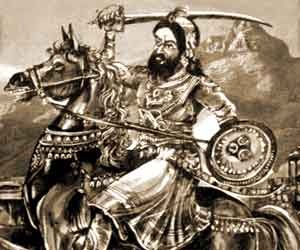
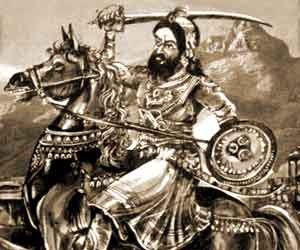
Soon after the conquest of Odisha the British authorities tried to set up their own administrative system in the province. They did not have much idea about the existing system. They wished to superimpose their modern type of administration over night without realising that it would not only disturb the previous system but it would also create suffering amongst the people both economic and emotional. The changes in the revenue administration affected the people most. The symbol of strength and unity was the Raja of Khurdha. People revered him as a representative of God on earth. In 1804 Mukund Dev II, the Raja of Khurdha rebelled against the British when the British refused to restore the four paraganas and the payment of Rupees one lakh for safe passage of British troops which had been decided earlier. The Raja of Khurdha was imprisoned in Midnapore jail till 1807 and Khurda was The Rajguru, the Mukhtar (the Prime Minister/Dewan) of the Raja of Khurda Mukanda Deva II could not accept the humiliation shown to their king. He inspired the Raja and had taken a lead in rebelling and fighting against the British troops. He fought fearlessly but faced defeat and subsequently was hanged by the British. The Raja was set free because he pleaded his innocence. This initiation to the revolution against foreign oppression lent vitality and vigour to the gullible natives who were silent sufferers till then. Rajguru masterminded the awakening Perhaps this was the first ever magnanimous service to the character revitalisation of the great Odia spirit. The second phase of the rebellion against British was organised by Buxi Jagabandhu. Bidyadhar Mohapatra, Bhramarbar Ray, the commander- in-chief of the Raja of Khurda in 1817 The injustice meted out to the Raja of Khurda over the assessment of revenue from the Khurda tributary created a sense of uneasiness amongst the Jagirdars, Paika Dulbehenas and Dalais. The system of revenue administration was unfair. Some of the Odia Zamindars lost their jagirs because of over assessment. They fell into arrears and borrowed from Mahajans at a compound interest to retain their jagirs. When they failed to pay the revenue, their jagirs were auctioned in Calcutta and purchased by Bengalis who had the ability to buy. As a result the welfare and interests of the Odia ryots suffered in the hands of outside proprietors. They squeezed revenue from ryots without thinking about their welfare because they had to pay to the British. In the process the ryots became impoverished to retain their jagirs. Some left their homestead and became landless labourers. Since the Muslim rule, the Paikas, the militia class in Khurha enjoyed their jagits on very nominal rent. The Marathas had followed the same policy. The British revenue policy disfavoured the previous arrangement and the Paikas had to pay substantial rent. To add to this the British employed outsiders mostly Muslims and Bengalis in public posts displacing the Odias who had years of experience. Common people also suffered at the hands of the British system of administration due to over assessment of revenue, oppression of Amlas Sabarkars and police, rise in the price of salt and abolition of cowrie currency. Even the Raja of Khurda's estate was forfeited to the British Government and he was allowed to reside in Puri. Jagabandhu Bidyadhar the commander-in-chief of the Raja of Khurda had to face the same humiliation. He enjoyed the jagirs and the estate of Killa Ronung at a low nominal rent. Under the British occupation of Khurda he lost his right to enjoy his hereditary possession and turned into a pauper. He organized and took up the leadership of the rebellion of 1817. He involved the Raja of Khurda and the tributary Rajas of Mayurbhanj to Ghumsur. He also got support from the Marathas. Jagabandhu Bidyadhar and Military commander of the Raja of Ghumsur preplanned the movement. There were many leading personalities connected with the movement of 1817. To name a few were Krishna Chandra Vidyadhar Bhrambar Ray (son of the Diwan of the former Raja of Khurda). Gopal Chottray, Hari Mansingh Bamadeva Pattojoshi, Madhav Routray, Ballava Ray etc. The Kondhas of Ghumsur, the Paikas the Dalais the Dalabehevas of Khurdha started the rebellion in March 1817. The common people also joined them. The rebellion spread to Banpur. Pipli, Puri and other parts of Odisha. Armed with crude weapons like lathis, bows and arrows and with swords and shields they faced the British to seek justice. They ransacked offices, the Collectorate, Police Stations etc, and defeated the British officers at certain places, On 12th April, 1817, a group of 3000 to 4000 insurgents entered the Puri town where the Raja of Khurda was residing. Their intention was to reinstate the Raja in his Gudee in Khurda. They burnt the Court building and when Jagabandhu with more numbers joined them the priests of the Jagannath temple openly declared the fall of British rule in Khurda and restoration of the ancient line of the rule of the Gajapati King of Odisha. The movement gradually fettered. The rebels were caught and were mercilessly hanged in public, sentenced to prison for life. After open resistance Jagabandhu changed his strategy. He retreated with his associates to naccessible hills and jungles of Ghumsurand operated from there. They decided to follow guerrilla type of warfare unique to India. The rebellion was well planned and the people fought bravely. They could not withstand the British forces who were well equipped and they had authorities to support them. Finally Jagabandhu, the leader of the revolt surrendered to the British and settled as a pensioner and resided in Cuttack In a sense the British had to admit defeat by negotiating with Jagabandhu to become a prisoner. For fear of more reprisals in future, the Raja of Khurda was taken captive to Cuttack with his minor son and were allowed to reside inside the Barabatifort. The rebellion of 1817 was indigenous and it did not involve other States but it challenged the British authorities highhandedness in administering the state. The government was bound to appoint a Commissioner to enquire and to bring remedies to resolve the rievances of the people of Khurdha. The hallenge of the people of Khurdha was emplary The Oriyas fought with determination with this, bows, arrows and swords against the tish. The latter had muskets and guns which were modern and effective. But the spirit of the Odias is praiseworthy. There were many unsung Odia heroes who laid their lives while fighting against the British in encounters at places like Banpur, Pipli. Khurda. Puri, Kujong and Paradip. They fought willingly for their state, to free it from foreign domination. The Odias have now become aware of the Paika rebellion. The year 2017 celebrates the completion of 200 years of Paika Rebellion. They take pride that Paikas of Khurda had taken the lead in seeking justice from the oppressive and aggressive designs of British governance. The participants of the Paika Rebellion make us feel proud long before the Sepoy Mutiny of 1857 the Odias had the audacity to challenge the British authority, with firmness and defiance. So the Paika rebellion has now being rightly judged as the First war of Independence against the British Rule which predates the sepoy Mutiny by more than four decades. taken the lead in seeking justice from the oppressive and aggressive designs of British governance. The participants of the Paika Rebellion make us feel proud long before the Sepoy Mutiny of 1857 the Odias had the audacity to challenge the British authority with firmness and defiance. So the Paika rebellion has now being rightly judged as the First war of Independence against the British Rule which predates the sepoy Mutiny by more than four decades.
Odisha witnessed two important political events of far reaching consequences one was the British occupation of Khurdha and in effect Odisha in 1804 A.D., and the other was an indigenous rebellion against the British Raj in Khurdha in 1817. The latter was popularly known as the Paika Rebellion. This rebellion was a means to seek justice from British colonization which started immediately after the British occupation of Khurdha. Though popularly known as the Paika Rebellion, the movement was not caste or profession based: People from different sections like the Kondhs of Ghumsur, the annexed. Dalais, Dulbehenas and even few zamindars along with the other common people came together with the Paikas to fight for their rights both political and economic. The Palkas are identified as a group in Odia society who in peacetime were agriculturists and in times of war they rallied around their king to fight for him. They were given jagirs so that they could earn a living in peacetime by collecting revenue from their ryots.
Don't miss out on exclusive news related to Shree Jagannath Culture
Subscribe to our Newsletter
Postal Registration No.- PURI/45/2022-24
CBC Code No.- 320402
Copyright ©2023 . Shree Shrikhetra Soochana Newspaper, All Rights Reserved.
Rajesh Kumar Mohanty
(Editor & Publisher)
Shree Shrikshetra Soochana Newspaper
Raghunath Bhavan, Narendra Kona
Puri, 752001, Odisha, India
Contact
RNI Registration No.- ODIBIL/2021/81452